
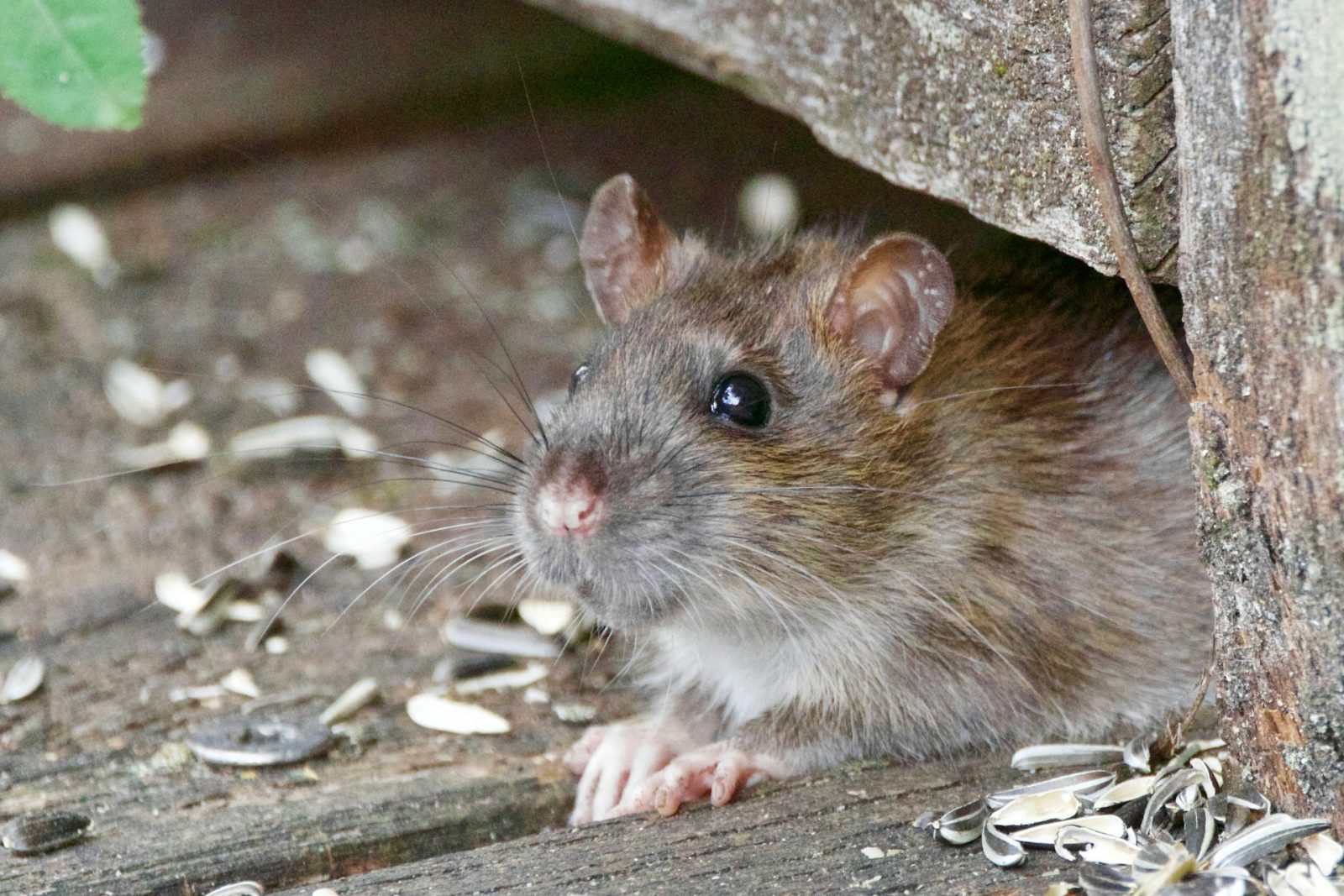
Rats are a common pest found in homes across the UK. While rats can take up residence in any room in your home, they are often found in attics.
Because rats carry diseases and chew almost constantly, they can pose health risks and cause significant damage to your property. Alongside structural damage, rats in the attic can pose a fire hazard if they chew through live electrical wiring.
Thankfully, for homeowners across Newbury, Basingstoke, Reading, Portsmouth, Woking, and across the South East, Countrywide Pest Control is here to help. Our team have extensive experience in rat control services, and can also provide loft clearances to decontaminate attics after a rat infestation.
As an experienced professional pest control company, we’ve put together this guide to getting rid of rats in the attic.
Why Rats Like Loft Spaces
There are several reasons why rats like attics. The main one is that most attics are uninhabited and aren’t regularly accessed by humans or pets. Rats are neophobic, meaning they don’t like new objects, and are very shy. As such, they look for somewhere safe where they won’t be disturbed.
Attics are also warm, as heat rises. The soft loft insulation makes the ideal nesting material, and they can use wall cavities and gaps in your walls to navigate throughout your property in search of food.
That’s why lofts are the perfect space for rats. Unfortunately, this can cause issues, as rat droppings can contaminate loft insulation, and dead rats can start to smell and cause a health hazard.
Signs Of Rats In Your Attic
Rats are relatively large rodents, and you can usually see them. Sightings are the most clear indication that you have a rat problem.
There are 2 rat species found in the UK: brown rats and black rats. Brown rats are the most common, and have fuzzy brown fur, blunt snouts and stubby, hairless tails. Black rats are slightly smaller and have black, sleek fur.
As mentioned previously rats are neophobic and often hide from humans, so they may run and hide from you.
Some other common signs of rat activity in your attic include:
- Entry Points: If you notice small holes in your home’s exterior, then this could be a sign rats have entered your space. Alternatively, if you’re dealing with drainage problems, then you might need a drain survey to check for damage that could be causing a rat problem.
- Rat Droppings: Rat faeces are dark brown, tapered pellets that look like thick grains of rice and are usually found in clusters near food sources, such as in kitchen cupboards.
- Gnaw Marks: Like other rodents, rats have front teeth that never stop growing, so they need to chew regularly to keep them down, so watch out for chew marks from their sharp teeth on hard materials throughout your home.
- Greasy Smudges: Rats have oily fur, and often leave grease marks on skirting boards, walls and door frames.
- Noises: If you hear scratching noises or scurrying sounds, especially at night, then this could be an indication of rats in your attic.
- Rat Footprints: To test if you have rats, try leaving out talcum powder and see if you notice paw prints with four-toed front feet and five-toed hind feet, which will clearly show that rats are in your home.
Many of these indicate a rodent infestation, but it can be tough to work out if the problem is rats, mice or even squirrels. That’s why working with a professional pest control service can help. Countrywide can identify the pest problem and treat it before it causes significant property damage, health risks and distress.
Get Rid Of The Rat Infestation In Your Attic
As soon as you notice signs of rats in your loft, you need to book professional pest control from experts like Countrywide.
While it might be tempting to try and get rid of the rat infestation yourself, DIY rat poisons, traps and bait stations are often ineffective against rats. They can, however be toxic to children and pets.
Because rats are neophobic, DIY rat control products could make it even harder for professionals to carry out rat treatment in the future. Rats might become more cautious and avoid professional rodent control solutions, so it’s best if you work with a pest control company from the start.
Countrywide’s staff are all RSPH level 2 certified, meaning they have access to rat control products that aren’t available to the general public. They take a humane approach to removing your rodent infestation, and will ensure the rats don’t endure unnecessary suffering.
As well as effective removal of rats, our team can also identify entry points and then pest proof your space to prevent future rat infestations, alongside providing full cleaning and loft decontamination, to leave you with a safe, hygienic and pest-free home.
How To Prevent Future Infestations
To prevent rodents from gaining access to your attic, you need to carry out pest proofing to keep rats out. This means sealing entry points, such as holes in your home’s exterior, drain damage or gaps around pipework.
Additionally, keeping your property clean and storing food in sealed containers will ensure that rats can’t access food sources.
The most important tactic is to be vigilant. While it won’t necessarily prevent a rat problem, checking for signs of rat activity and booking a professional pest control service from Countrywide as soon as you notice them will reduce the chances of damage, electrical hazards and health risks.
Our experienced team can carry out a rat inspection to check for rodents and then implement rat control to get rid of the rats in your attic or throughout your home.
To get rid of rats in your attic for good, contact us on 0800 078 7255 or by emailing office@countrywide-pestcontrol.co.uk.